
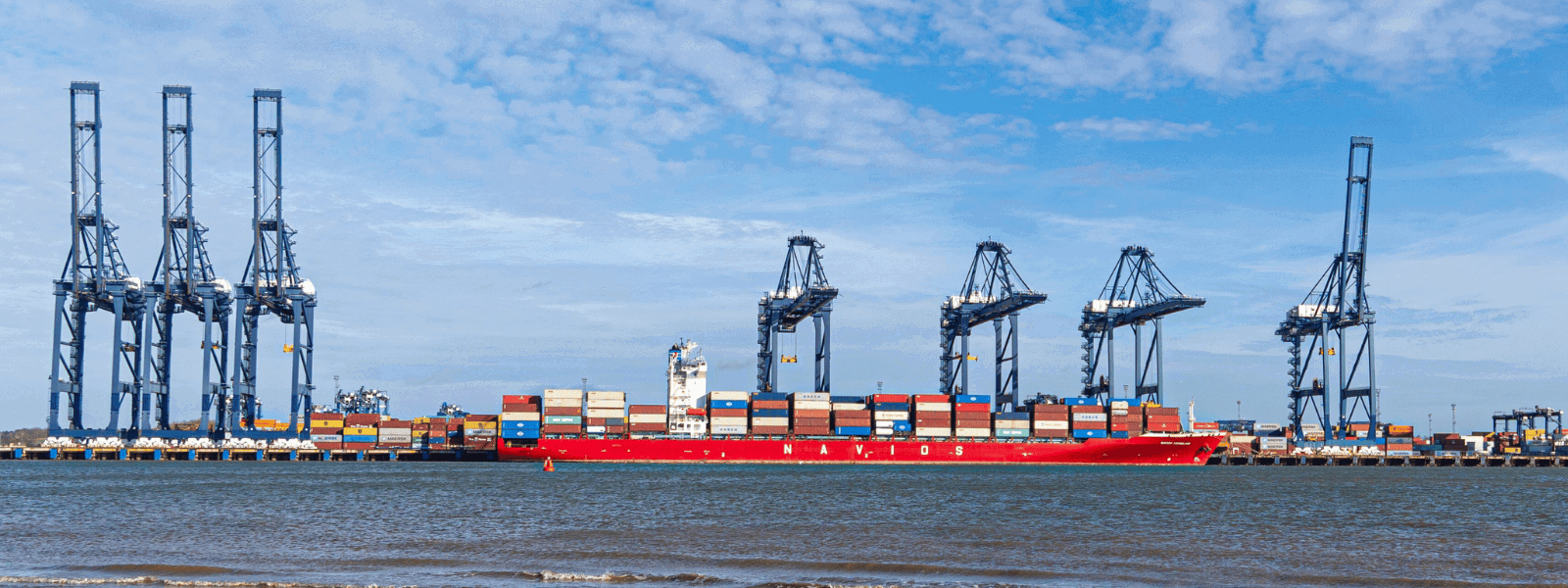
A container becomes available at Felixstowe. The port system knows. Your planner doesn’t, not until someone logs in, searches the reference, and updates the job by hand.
By the time that happens, the VBS slot you needed may already be gone.
Where the problem actually lives
UK ports run on Port Community Systems. Destin8 at most deep-sea ports, CNS at some smaller facilities. These systems hold the authoritative data on container availability, customs clearance, and release status.

The structural problem isn’t that ports don’t have or share data. They do. The problem is how most transport operators receive it. That information needs to be in the planner’s hands, in the system they’re working in, before they make the call on when to send a driver.
If you’re not with Fargo, right now, it’s a login to a separate system. A manual search. A screenshot or a printout. A phone call to the port desk. All of it introduces lag between what’s known and what’s acted on.
That lag is a driving force for: drivers arriving before a container is released, collections planned on availability data that’s already out of date or VBS slots missed because the green light came through after the booking window closed. Each one individually feels like a one-off. Across a week of volume, the cost adds up.
How Fargo TOPS connects to UK ports
Fargo TOPS integrates directly with all major UK Port Community Systems. Container availability, customs status, and release information flow into the system without manual intervention. Planners see port data inside the same traffic sheet they use for all their operational planning. No second screen, no separate portal, no manual reconciliation.
When availability status changes at the port, it updates in Fargo TOPS. When a VBS appointment is booked, it is logged against the relevant job. When a container is gated out, the actual timestamp feeds automatically into the system’s demurrage and detention calculations.
This isn’t a reporting integration that tells you what happened yesterday. It’s an operational one, supplying live data, in the planning screen, while the planner is making decisions.
Alongside port connectivity, bill of lading data, container specifications, voyage information, and SCAC code references flow in from major shipping lines, reducing manual job entry and the error rate that comes with it. EDI interfaces handle transport orders automatically from customers and shipping lines, validated and processed through customer translation tables to manage container types, ports, and collection locations consistently.
Why this is different from a data feed
A lot of TMS platforms offer port connectivity as an add-on or a third-party feed. The data arrives somewhere in the system but it isn’t woven into the planning view where decisions are actually made. Planners still end up switching between screens or running a report to see what the port is showing.
In Fargo TOPS, the port data lives in the traffic sheet alongside the job, the vehicle, the subcontractor, and the cost exposure. The planner doesn’t go looking for it. It’s already there when they need it.
That distinction matters most under pressure, at 6am on a Monday when three containers are due for collection and one of them isn’t showing released yet. The difference between seeing that in the planning view and finding it in a separate system is the difference between replanning before the driver leaves and finding out when he gets to the gate.

The objection worth addressing
“Our port contacts are good. We get calls when something changes.”
Relationships matter in this industry and we’re not suggesting otherwise. But a phone call from a port contact is one container, one planner, one moment. When you’re managing volume across multiple ports and multiple operators, you need the system to carry that awareness across every job simultaneously, not just the ones someone thought to call about.
Good relationships and good systems aren’t in competition. The system handles the volume. The relationships handle the exceptions the system flags.
What this comes down to
Port data isn’t scarce. It’s available to anyone who logs into the right system. The question is whether your planner is spending time retrieving it or acting on it.
Fargo TOPS is built so the answer is the latter.