
When is the last time you asked an intermodal customer what they actually want and they responded “more data visibility.”? What they are demanding instead is the ability to commit to on-time arrivals, accurate documentation and to operate with no surprises.
We call that “certainty”. Knowing that you have complete visibility and control over a container’s movements. Visibility is a key tool operators use to get there, but visibility on its own doesn’t move a container, replan a train, or stop one delay from becoming ten. However, many operators are relying on this single measure alone and wondering why day-to-day activities feel so uncertain.
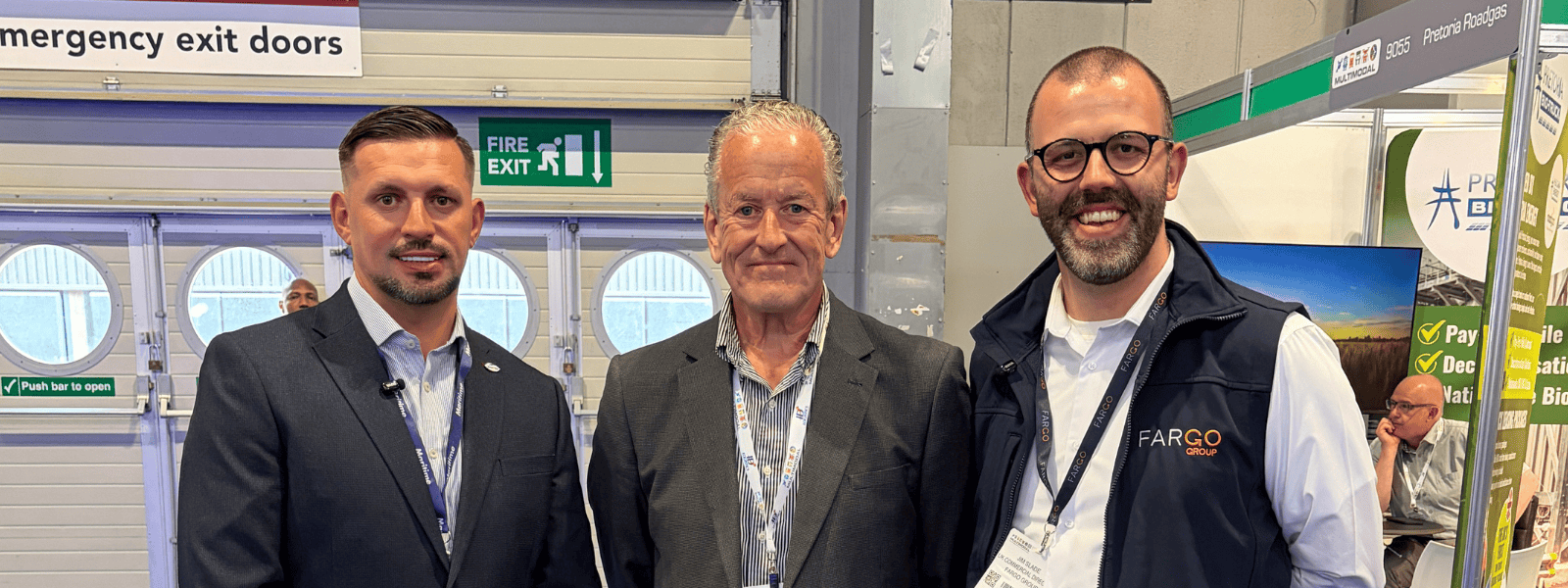
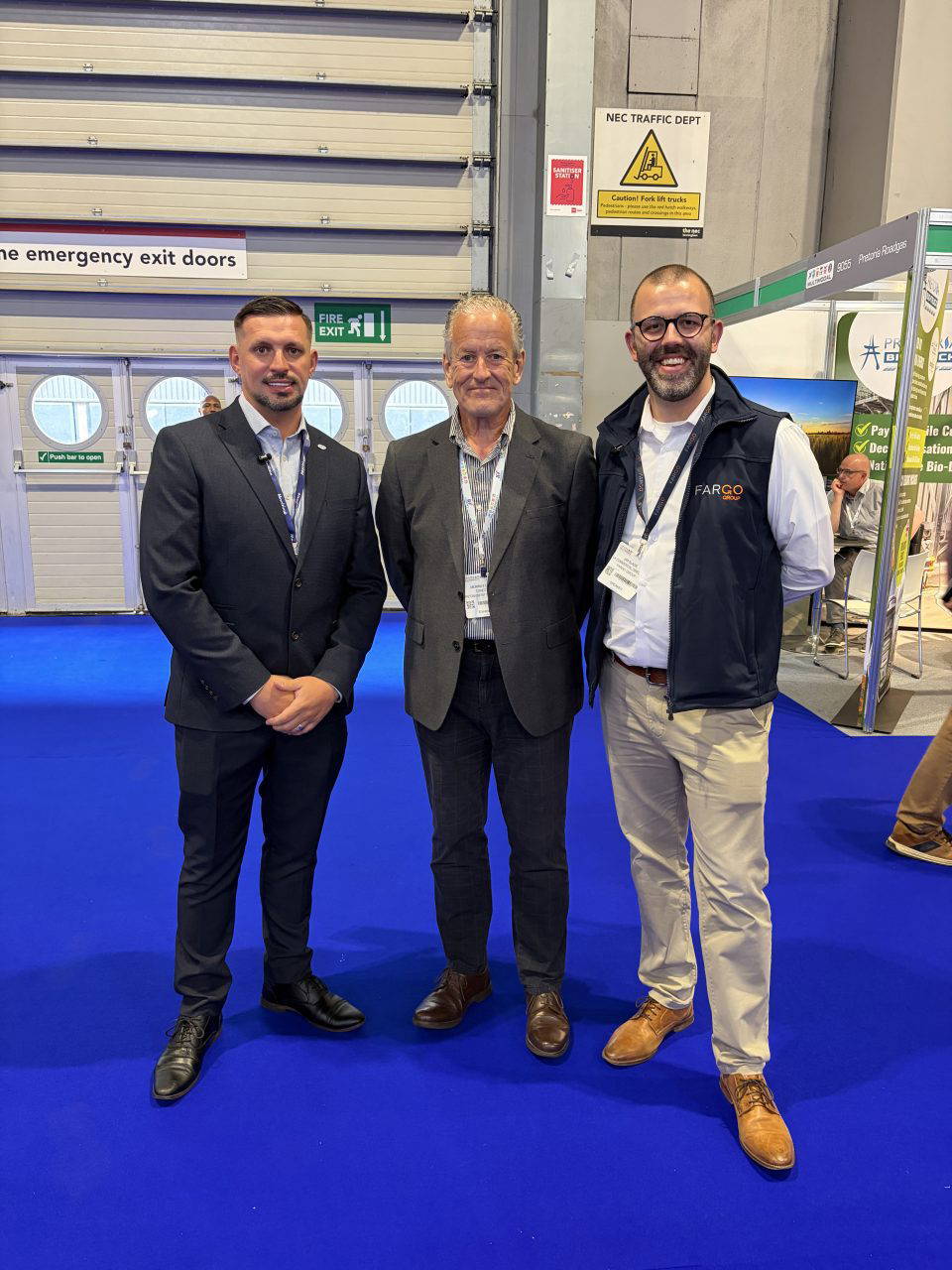
That distinction sat at the centre of a discussion at Multimodal 2026, where Jim Slade, UK Commercial Director at Fargo, and Craig Bickley, General Manager Intermodal at Maritime Transport, talked through what’s actually changed in intermodal operations over the last five years, and where the industry still gets stuck.
The plan lasts about an hour
Craig explained plainly: “Everybody can make a good plan yesterday. But anyone in transport will know, we can walk in the next morning, and that plan has gone within an hour.” A port delay pushes a rail leg out. The rail miss disrupts terminal staffing. The onward road leg slips. By the time it reaches the customer’s own delivery to their store, one early disruption has touched five separate operations.
What operators need to find ways of managing is not the plan itself, but the constant replanning that follows it.
More systems, more silence
Maritime Transport runs road and rail as one integrated operation, so its own systems talk to each other. But Craig was direct about what he sees elsewhere: ports, rail terminals and road operators each running separate systems, none of them synchronised. “That leads to delays in making decisions,” he said. “Waiting for somebody to update their system, which is a knock-on effect to everybody else’s.”
From Jim’s perspective, the technology side matches it. Operators aren’t short on data, they’re short on a way to use it. “They’re awash with data from different point solutions,” he said. “It’s valuable. But we’re almost drowning in it.” Typically, the different point solution or system data is giving visibility to a traffic office of what’s running late right now. But on its own, it doesn’t tell them which of the sixty containers on a delayed train need action first, and which have room to breathe. It’s not connecting the dots.
From reactive to proactive
The shift that the discussion highlighted is moving from watching a single job to reading the network around it. One late train isn’t one problem, it’s sixty port collections, sixty terminal arrivals, and potentially sixty customers, each with a different amount of breathing room in their plan. Spotting which of those sixty needs attention in the next ten minutes, rather than finding out an hour later, is what separates a reactive traffic office from a proactive one.
Craig described the ambition simply: systems and teams operating from “a global view,” not siloed by department or system, so a disruption in one part of the network is understood — and acted on — everywhere it will land or impact.
What this means for hauliers, terminals and forwarders evaluating their own setup
If your teams are still piecing together a live picture from separate rail, port and road systems, the cost isn’t visibility, it’s the time lost translating that visibility into a decision.
What intermodal operators should be demanding is a single operational view across road and rail legs, so replanning happens from a single source of truth rather than a phone call chasing an update. And they should leave this level of control at the terminal. Extending this approach to inside the terminal, by connecting yard and gate activity to the wider movement plan rather than treating it as a separate event helps close the loop.
The point both landed on isn’t that more point solutions or systems or even more data points are the answer. It’s ensuring you are using a true intermodal solution that creates a single connected operational view, so a delay is understood in context, not discovered in isolation.
The takeaway
Complexity in intermodal isn’t going away, if anything it’s increasing. More stakeholders, more legs, and more data are now the baseline. The operators managing it well aren’t the ones collecting the most information. They’re the ones who’ve turned disparate systems into one operational picture, so a single disruption doesn’t have to become five.
If you’re assessing how your own operation stacks up against that standard, reach out for a free evaluation. Fargo provides a single intermodal platform that leverage Fargo TOPS and Fargo TERM to provide that single interconnected view for road, rail and terminal operations. If you want to operate with complete certainty that a container is where it needs to be at any one time, now is the time to talk to us.
If you missed the discussion at Multimodal, watch it here.
